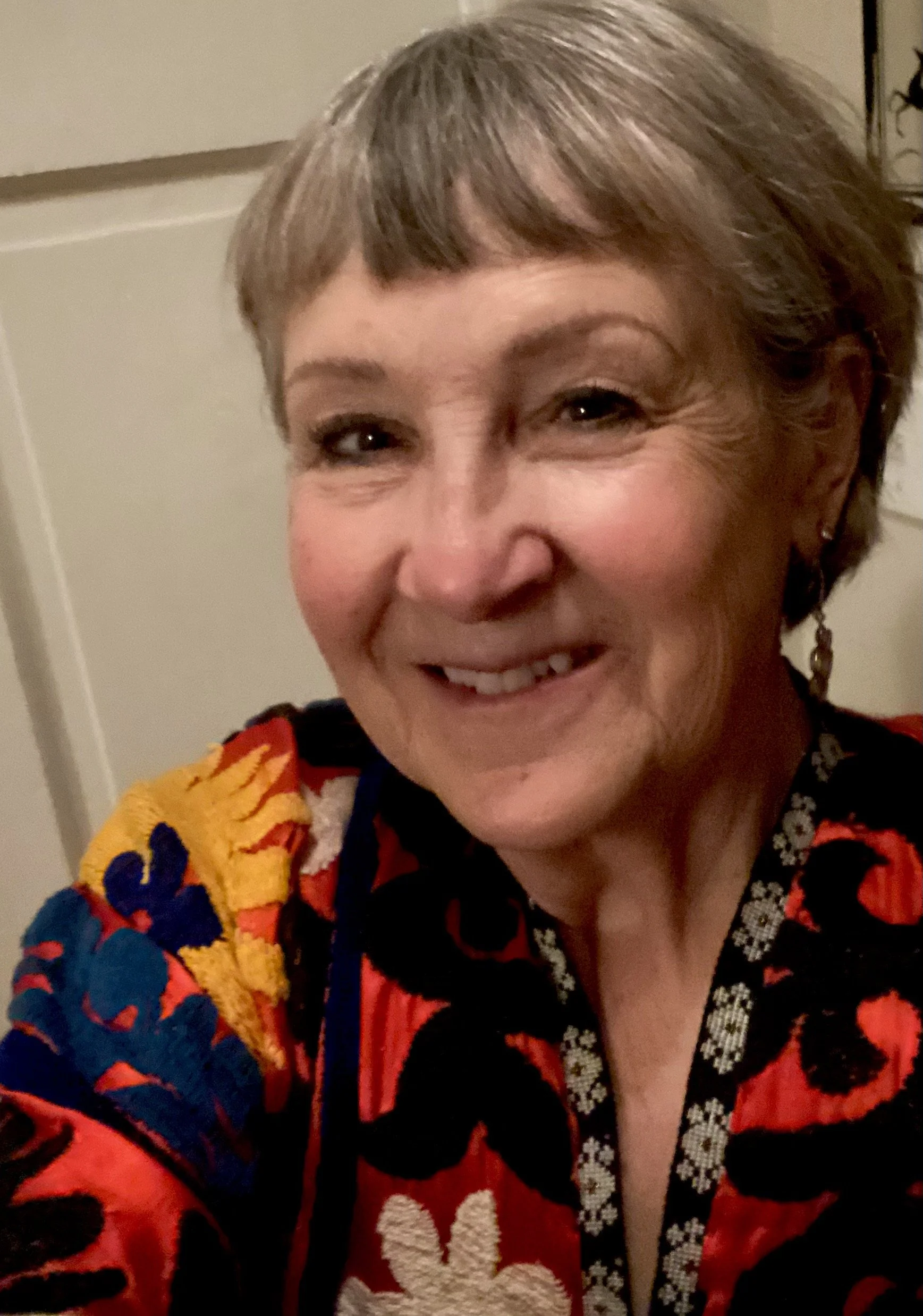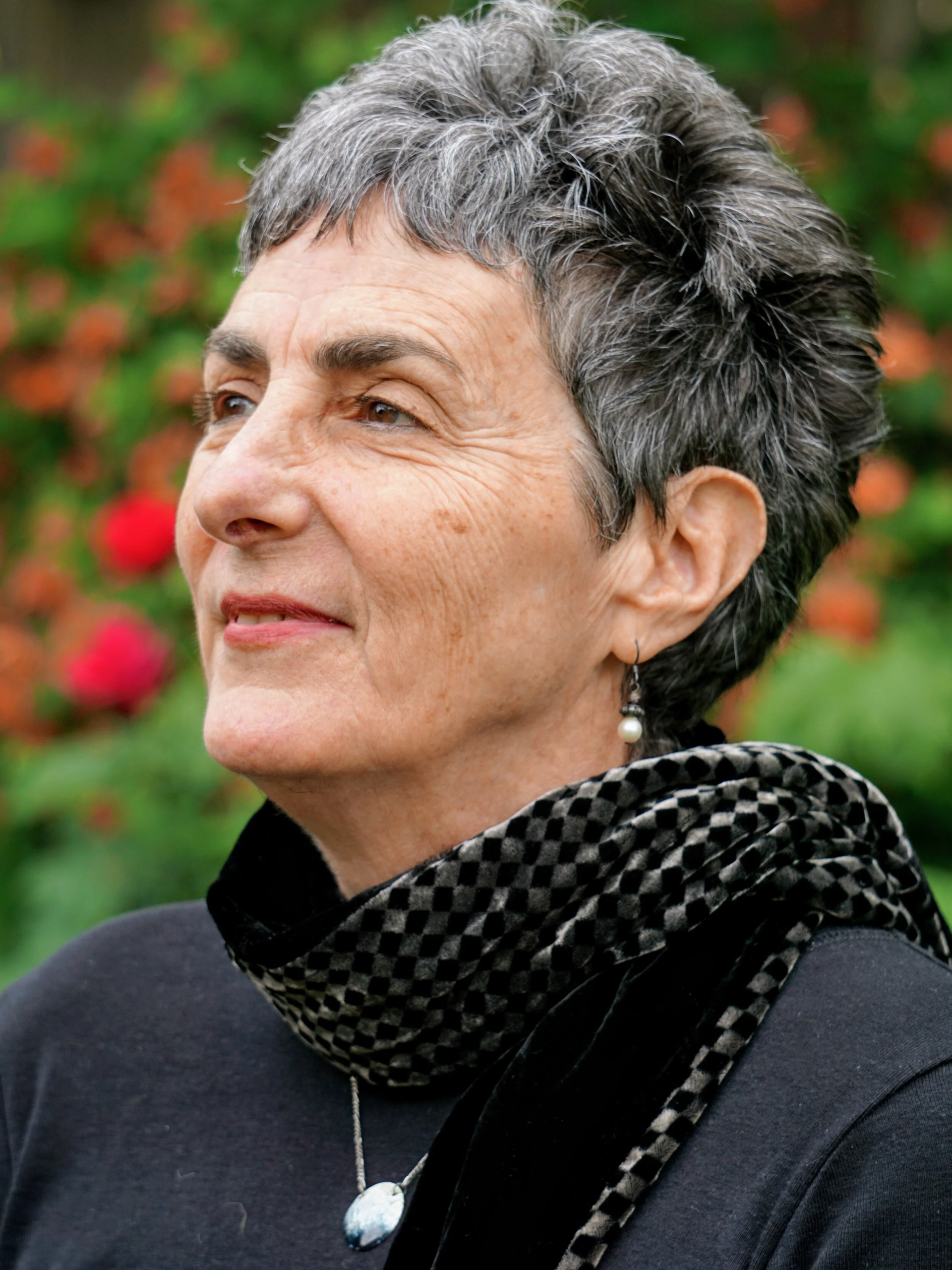
PWI Faculty Spotlight: Dawn Menken
PWI Faculty Spotlight: Dawn Menken The dream that started it Dawn Menken’s first dream was of a man who climbed up out of
One of the most important, and most demanding, concepts in process-oriented facilitation work is the practice of knowing when you are being activated by your own material and attending to it rather than bringing it unexamined into the work. Mindell called this burning your own wood: the ongoing inner work of staying aware of your own edges, complexes, histories and reactions, so they do not interfear in your ability to follow the process and in fact help to inform and guide your facilitation.
When you haven’t done the innerwork to burn your wood, you can get hijacked as a facilitator. This means your personal bias will enter into the process unconsciously. You may side with, punish or attempt to change one position, thus interfearing with being able to bring out the actual process occuring.
As facilitators, we often have a side or a point of view on what we are facilitating. When we bring this out, we are in the role of activist or educator. There is a time and a place for this. However, Processwork differentiates this from the the role of the facilitator who is standing in a place of deep democracy and supporting all the sides to come forward. This does not mean you have to overlook the structural realities of power, privilege and oppression. In fact, you can strengthen your rank awareness to be able to make facilitative interventions which take rank dynamics into account. However, burning your wood allows you to do this from a more facilitative role versus that of an activist.
Receive information about upcoming events, training opportunities and interesting perspectives from the world or Process Work.
Their reactions are part of the process. And so is their unconscious, unprocessed material. The work begins at home, in the ongoing practice of knowing oneself well enough to distinguish between what belongs to the individual, relationship or group and what belongs to you.
When a client's material activates something in you, that activation is information, but it needs to be processed, not acted out unconsciously.
Know the difference between being "dreamed up" by the field and being at your own edge. Both are real. Both require attention.
Working on our own experiences of marginalization, oppression and privilege increases our fluidity and lessens our inner marginalization, making us less likely to project those experiences onto others.
Sometimes your reaction belongs in the room. Burning your wood allows you to bring it in with awareness, follow the feedback and move between being in it and going back to being in a facilitative position.
Maraya Karena is a Process Work Diplomate, Counselor and Consciousness Researcher based in Portland, Oregon.
“My passion is to study consciousness itself. To develop tools and models that support us to navigate everyday life. To make the reality we share more reflective of who and what we truly are. To find the pulsing, living heart of this life journey. And to engage with it fully and completely. I explore poetry, dance, embodiment, sex, social issues, futurism, philosophy, mysticism, joy and agony all to learn a little bit more about what is really going on and how we can most authentically express ourselves.”
Continue exploring with articles connected to your interests

PWI Faculty Spotlight: Dawn Menken The dream that started it Dawn Menken’s first dream was of a man who climbed up out of

PWI Diplomate Spotlight: Hélène Ramos When Hélène Ramos was five she had a near-death experience. Then, at thirteen or fourteen, she had her
PWI Diplomate Spotlight: Cathy Bernatt August 9, 2015. Cathy Bernatt is leaving Portland at 6pm. Three-week wilderness solo ahead. Divorce just final. Third