that values all viewpoints and all levels of experience, and facilitates their interaction in order to reveal the potential meaning and growth that lies at the heart of even the most disturbing human experiences.
We dream of a world where everyone has the skills, understanding and ability to facilitate the process of relating (to oneself, to others, to the world) because we have seen how this can bring unexpected solutions and relief to many areas of human striving, including personal and social development; post-war recovery; conflicts in organizational, social and domestic settings; interpersonal issues; and individual distress and life challenges.
across individual, relationship, group and organizational contexts and to serve as a center for the teaching, research and development of techniques for working with process.
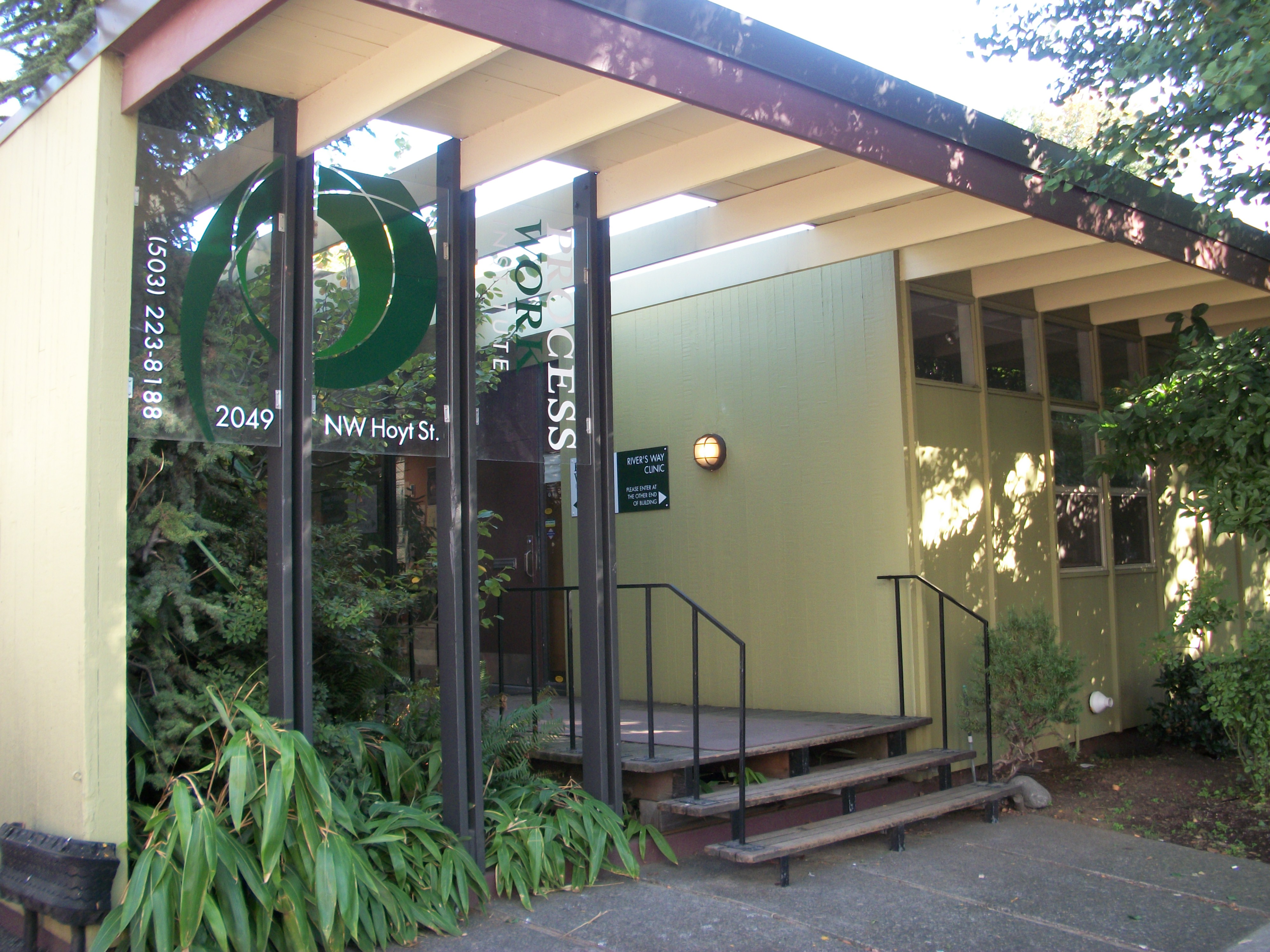
We are pround of what we have accomplished as a school, bringing exceptional training and warm-hearted community together to change ourselves and the world
In Process-Oriented Psychology
Immersive programs to get to the heart of Processwork
Caring professionals always ready to listen and help
Users love what we do — and we’re committed to making it even better.
Our Story
How a passion for learning became an institute
Every living tradition begins with a question someone couldn’t stop asking. For Arnold Mindell, Jungian analyst and author, that question was both simple and complex: what is actually happening beneath the surface of our experience, and what does it want from us?
Drawing on Jungian thought, quantum physics and the wisdom traditions of indigenous peoples, Mindell began mapping a territory that resisted easy categorization. When he wrote The Shaman’s Body, his ideas reached a group of students at Antioch College in the United States. In that original, unpublished manuscript, 5 friends followed their dreaming, leaving the United States for Zürich, Switzerland to study and practice with Arnold Mindell.
What followed was a decade of shared life and work. This original community lived alongside each other in Switzerland, studying ideas and testing them against the texture of their real experience.
They explored their own relationships, conflicts and edges. When difficulties arose between them, as they inevitably did, they didn’t look away. They brought the same quality of attention to their struggles that the work itself demanded. And they experimented with frameworks and interventions to see what would help them resolve their own issues.
The core theories of Processwork were shaped by that lived experience as well as extensive formal research.
In time, Mindell had a dream that pointed him back to the United States. The community followed, and in 1989 the Processwork Center of Portland was incorporated in Oregon, later renamed the Processwork Institute. In January 1992, the Institute received authorization from the State of Oregon to offer a degree in Processwork. A second program in Conflict Facilitation and Organizational Change began in 2004. In 2014 the Institute launched a parallel program in Process-Oriented Facilitation and Conflict Studies, receiving national accreditation in 2016.
Over three decades of graduate training, the Institute graduated more than 200 students, whose work now reaches into organizations, communities and clinical settings around the world.
Processwork itself has evolved over that time. It is now commonly described as an awareness practice and facilitation modality applied to diverse areas from inner work and leadership development, to organizational and group facilitation, to conflict work in public forums, to therapy with individuals, couples and families and to working with comatose and non-ordinary states of consciousness.
The Institute today continues the original, inspiring tradition to understand what lies beneath conflict, what experience itself is trying to communicate and what becomes possible when we learn to pay closer attention.
We offer professional continuing education, personal development programs and community courses, both online and in person, carrying forward the dedication of everyone who has contributed to this work since its earliest days in Zürich. And to the ancestors, spirits and quantum energies that help guide the way.
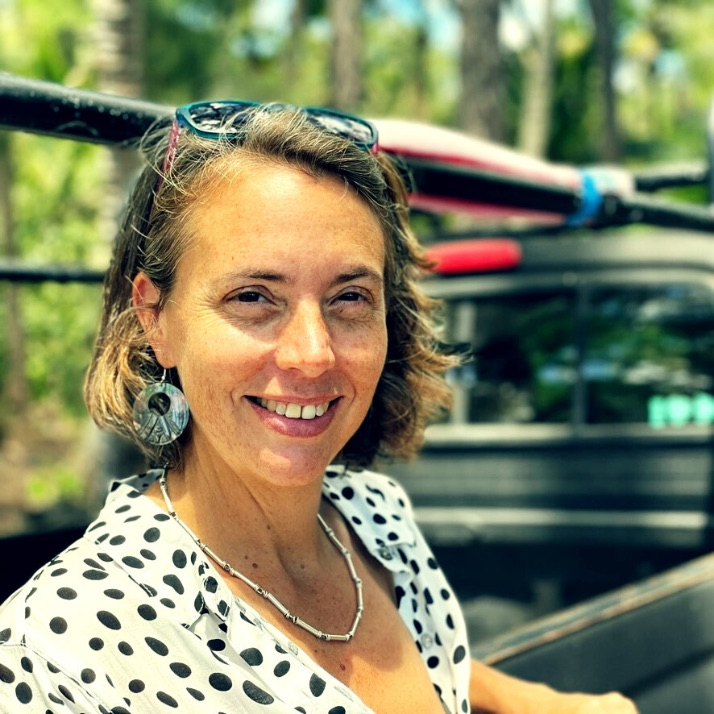
Paola Vidulich is a highly collaborative leader who brings a unique, entrepreneurial perspective to building resilient organizations. With over 20 years of global experience spanning sustainability, technology, and education, she is a skilled conflict manager known for her deep cultural sensitivity and ability to forge strategic partnerships. Paola is certified mediator, an ex-Olympic athlete, and a Processwork Diplomate. She is founder of the process oriented video study software, Dreamaker.io and was previously the Director of Diploma and Cohort Experience Operations and Program Development at PWI. Paola was appointed Executive Director in January, 2026.
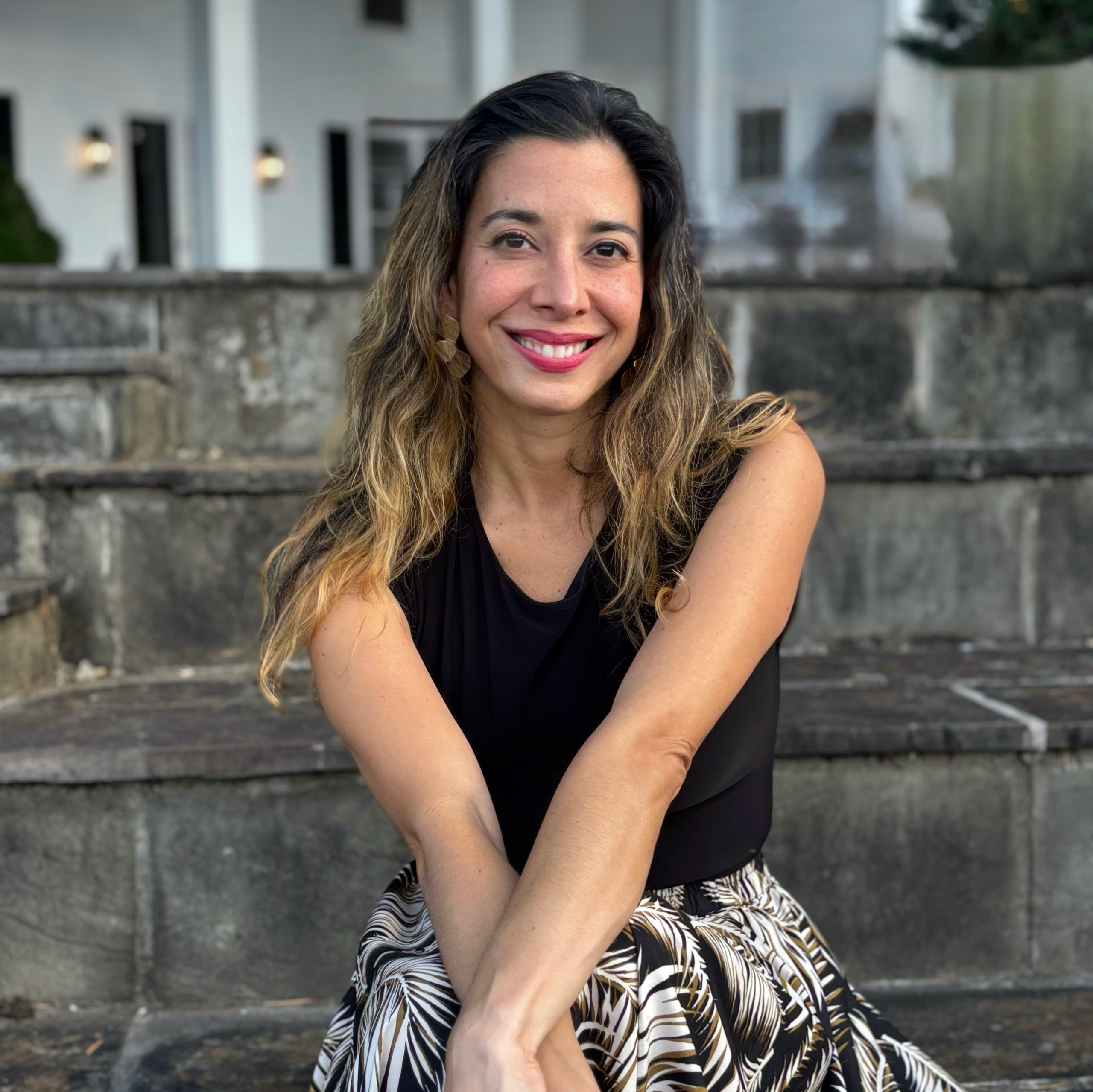
Carla Orellana is a relational facilitator, educator, community builder, and Online Community Host at the Process Work Institute (PWI). She works with individuals, couples, and groups at the intersection of personal power, fluidity in relationship, and the broader cultural and structural forces that shape both. Her work is a form of activism rooted in how we see, so that new ways of being, relating and creating can emerge. She holds a certificate in Processwork from PWI and specializes in Appreciative Coaching, Strategic Design, and Expressive Arts as Therapy. Born in Venezuela with family roots in El Salvador, Colombia, and India, she lives in the Blue Ridge Mountains of North Carolina with her husband, Carlos.
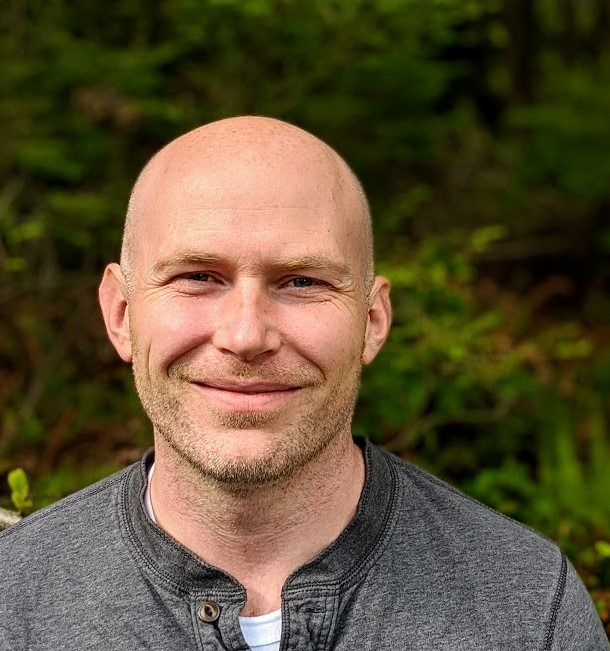
James Boutin supports program and partnership development at PWI in addition to serving as PWI’s certificate coordinator. He is also a phase-two student in the self-guided diploma program. Outside of his work with PWI, James is an educator, facilitator, and trainer who specializes in group facilitation and classroom teaching. He holds masters degrees in social studies education and process-oriented facilitation, and he is the author of a short eBook: The Foundations of Generative Conflict. James adores local coffee shops, needlessly complicated strategy-based video games, Star Trek, and racquet sports.
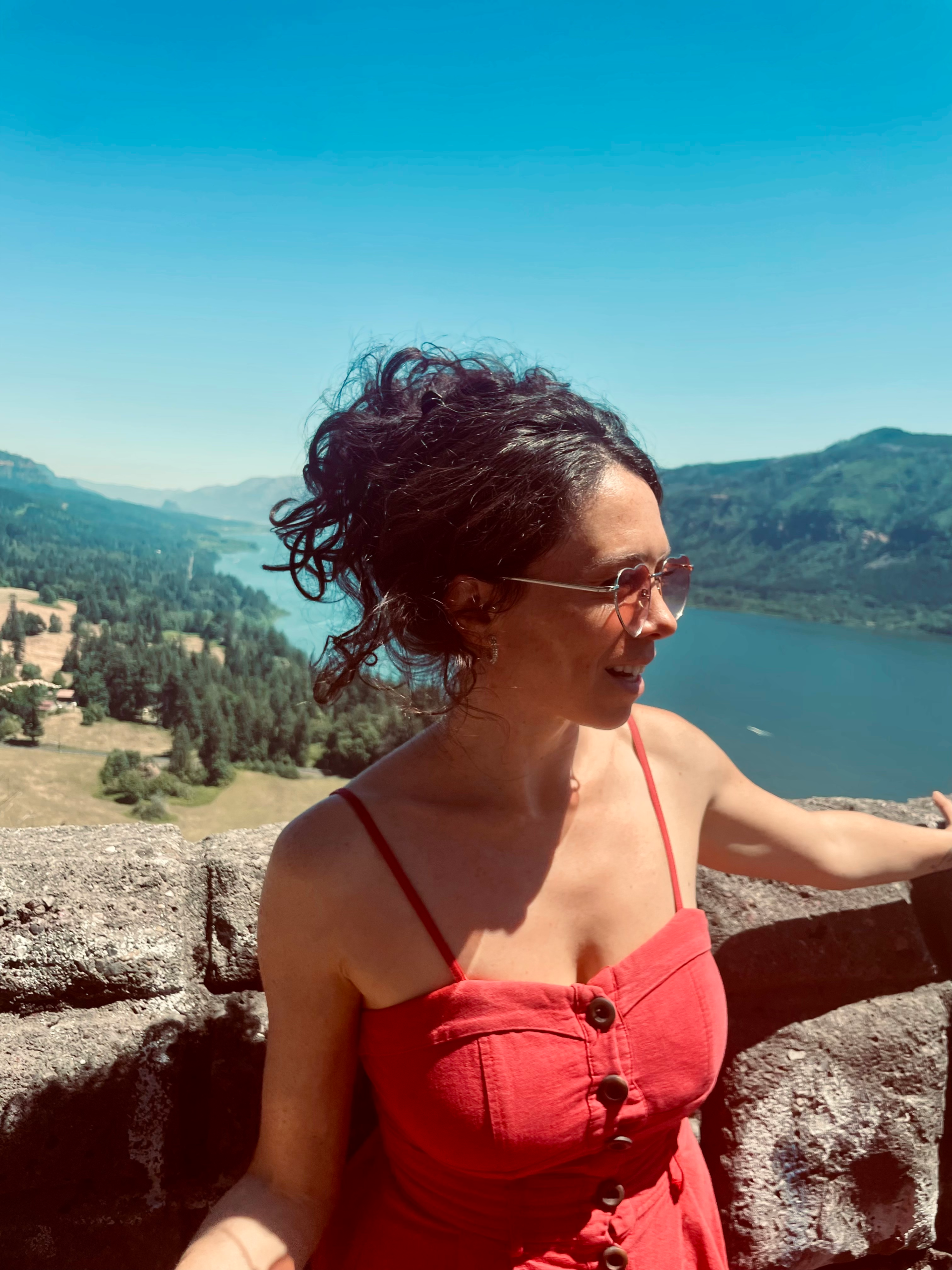
Maraya Karena is a Processwork Diplomate, Counselor and Consciousness Researcher based in Portland, Oregon. My passion is to study consciousness itself. To develop tools and models that support us to navigate everyday life. To make the reality we share more reflective of who and what we truly are. To find the pulsing, living heart of this life journey. And to engage with it fully and completely. I explore poetry, dance, embodiment, sex, social issues, futurism, philosophy, mysticism, joy and agony all to learn a little bit more about what is really going on and how we can most authentically express ourselves.
Our values include awareness, diversity, learning, relationship, collaboration and a continued commitment to personal growth.
We value being locally connected and internationally collaborative.
Rhea is a long time PWI faculty member and processworker living in Portland, Oregon. Processing is her life’s continual joy and challenge. Coming from an activist background Rhea has a passion for worldwork and group process, part of the facilitation team at worldwork seminars and teaching group process, relationship work and process-oriented conflict resolution to diverse groups both nationally and internationally. Special interests include the development of the metaskill of eldership and the creation of sustainable communication between individuals and in groups. Rhea’s favorite quotes from Arny Mindell are; “Oh boy, we’re in a mess now!” and; “Each of us is a full-time group-process.” These quotes remind her to remember process when working with clients and herself. They bring an overall engagement, patience, compassion and even a sense of humor when working with so much life experience. Rhea has a background in improvisational theater and activism. Continuing research projects include: bringing a dreaming theater into everyday life and supporting a deeper democracy in everyday activism.
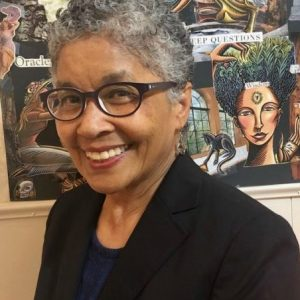
Diane Wong is a certified mediator, facilitator, and global conflict resolution processor. Born into a Black, Chinese, Mexican, Irish, & Native American family, Diane grew up as a member of Cleveland’s Black community and attended a segregated school system. Diane’s experience of navigating an educational system that sought to undermine her sense of self and history led her to pursue a Juris Doctorate from Harvard Law School.
Diane is the founder of the Racial Justice Collaborative (RJC). RJC uses process-oriented education and facilitation to help individuals and groups move toward healing. In 2020, DWC, in partnership with RJC, hosted Sitting in the Fire, a race retreat with over 100 participants from all over the world. A second retreat on antiblackness, September 26, 2020, Sitting in the Fire II: Racial Justice Conciliation Circles brought nearly 100 participants from around the world.
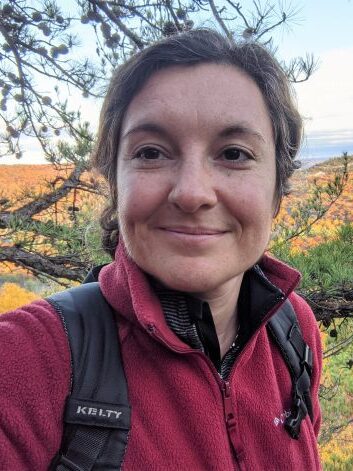
Irina Feygina is a process-oriented facilitator and psychologist who supports individuals and groups to deepen self-awareness, strengthen relationships and communication, and embrace conflict as a doorway into discovery and transformation. She is excited to be sharing Processwork and its call to authenticity, presence, and inclusion of all parts, and its welcoming of the unknown. Her passion is working on the human dimensions of climate change – conflict and cooperation, skepticism and engagement, and holding space for complex personal and community processes around this vast challenge. She has worked in government, non-profit orgs, and academia, and is currently developing approaches to climate conflict that combine insights from Processwork and the behavioral sciences. Irina holds a PhD is social psychology and is completing her Diploma studies in Process-oriented facilitation. Her work has been featured in New York Magazine, Psychology Today, Scientific American, TED, and others.
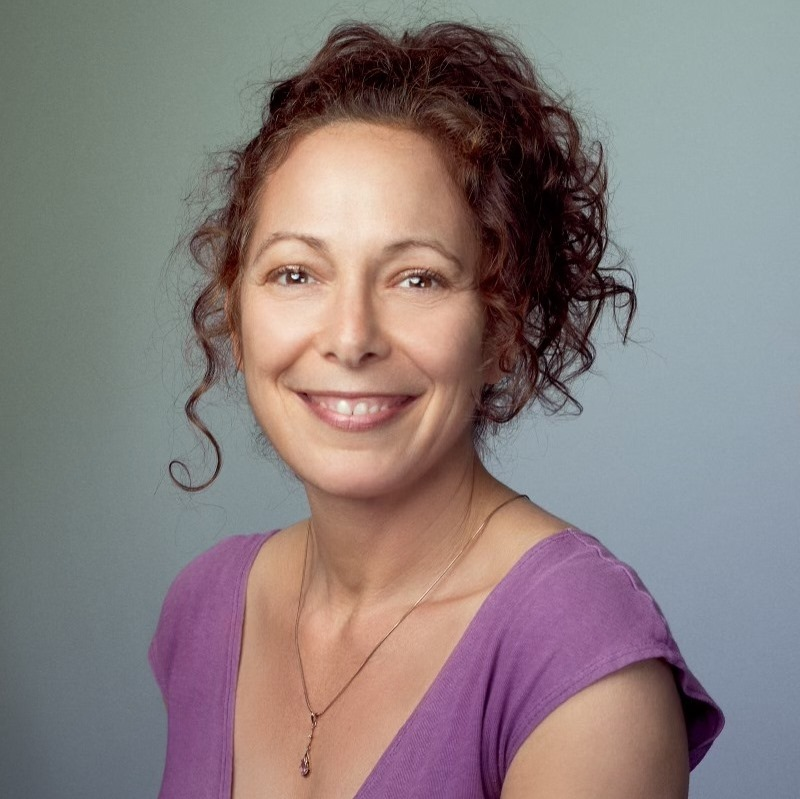
Amy is a Processwork Diplomate and member of the PWI Board of Directors. Amy served on the Board as a student representative member and has continued as a full Board Member following graduation. Amy works as a coach, facilitator, and therapist, and teaches workshops that are focused on helping people orient to their deep “life myth” as a navigation tool for finding meaningful work and meaningful living. Amy is also known as “Amy the Potter,” and has been a professional potter in Eugene, Oregon for 26 years. She is also a passionate Black Belt Nia instructor, and has taught Nia for the last 16 years.
Paola Vidulich is a highly collaborative leader who brings a unique, entrepreneurial perspective to building resilient organizations. With over 20 years of global experience spanning sustainability, technology, and education, she is a skilled conflict manager known for her deep cultural sensitivity and ability to forge strategic partnerships. Paola is certified mediator, an ex-Olympic athlete, and a Processwork Diplomate. She is founder of the process oriented video study software, Dreamaker.io and was previously the Director of Diploma and Cohort Experience Operations and Program Development at PWI. Paola was appointed Executive Director in January, 2026.