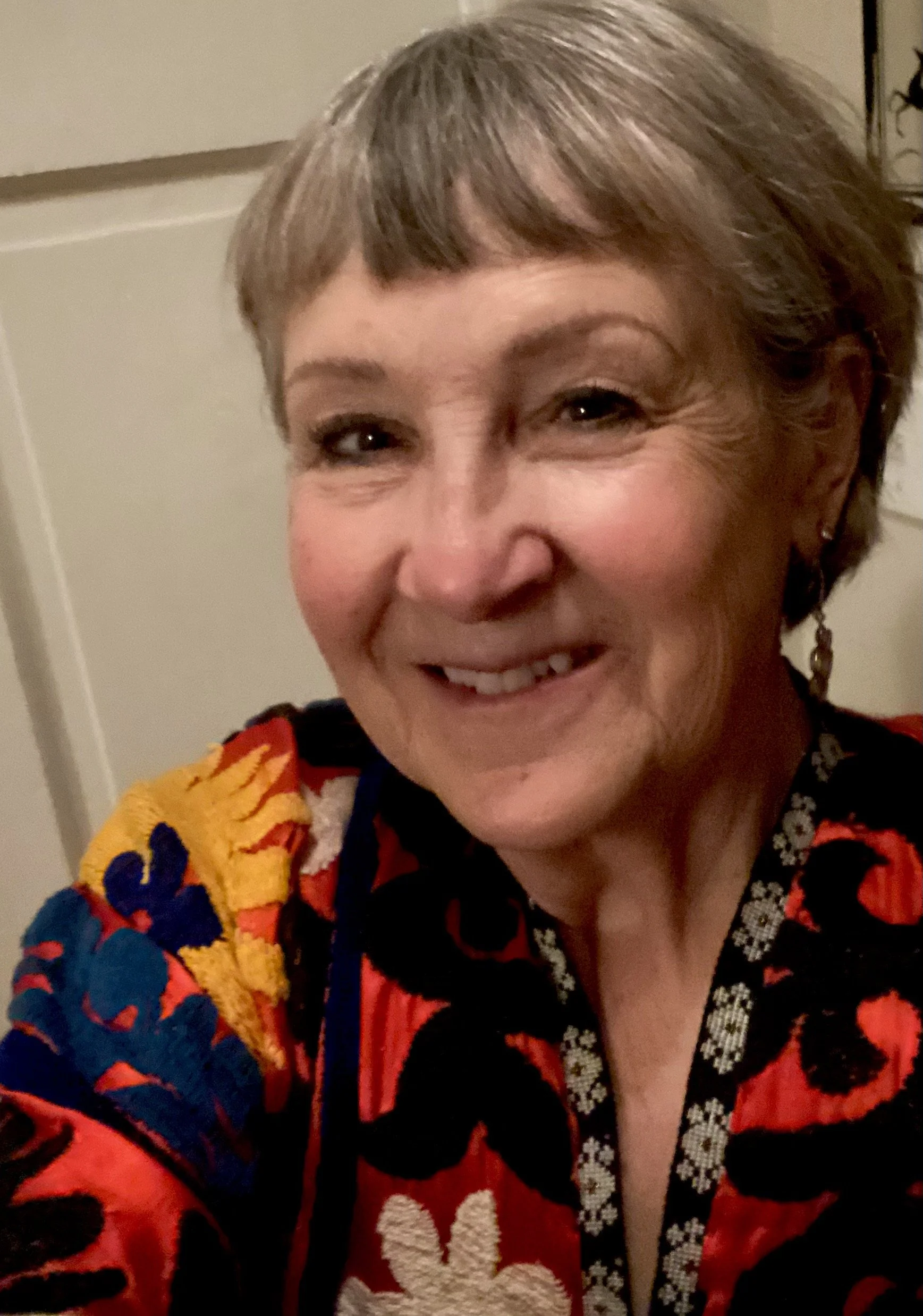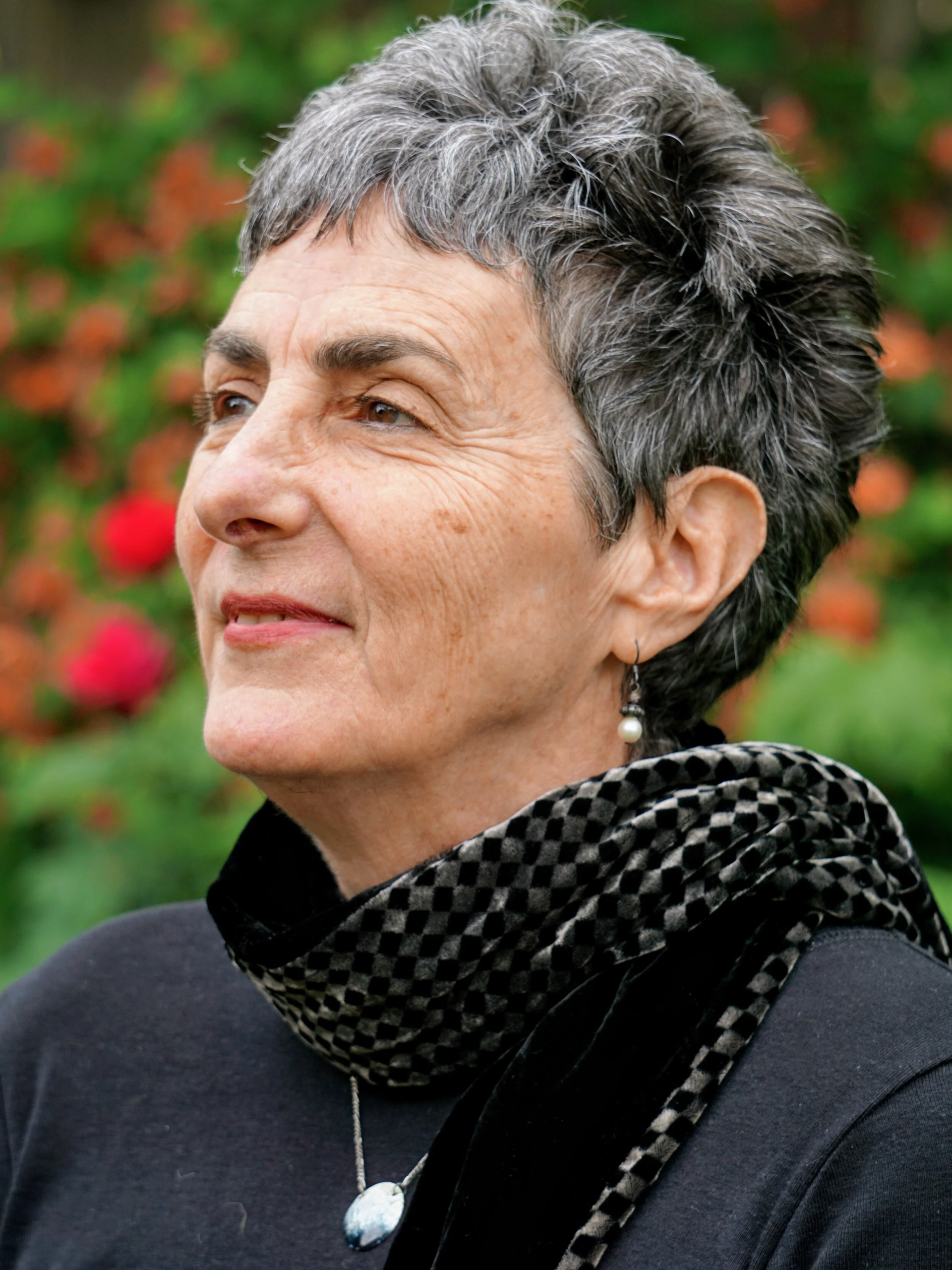
PWI Faculty Spotlight: Dawn Menken
PWI Faculty Spotlight: Dawn Menken The dream that started it Dawn Menken’s first dream was of a man who climbed up out of
Worldwork relies on the principle of deep democracy: a commitment to include not only all viewpoints but also all levels of our experience, from the objective world of facts and figures, to the subjective experience of feelings, body symptoms and dreams, and the most subtle and intangible aspects of our experience that can barely be put into words.
The worldwork facilitator uses the principle of deep democracy to help a group find their own creative solutions to conflicts and bring awareness to the underlying process of relationship that brings together all parts in an organisation, team, or community group. Worldwork means grappling with diversity issues, history, economics and power, as well as our hopes and dreams. Worldwork seeks to create a deeper, more sustainable practice of community even within the most difficult conflicts.
For more, explore the concepts of inner and outer marginalization.
Receive information about upcoming events, training opportunities and interesting perspectives from the world or Process Work.
Deep Democracy operates across every level of human experience simultaneously. It is the inner work of listening to the voices we marginalize inside ourselves. It is the interpersonal work of finding ways to support functional co-existence across difference. It is the organizational work of designing systems open to feedback and diversity. And it is the global work of approaching each other with compassion, honest dialogue and the willingness to find ourselves in the experience of the other.
It is the belief that every voice matters. That we are all in this together. That our ways of relating with ourselves and each other, as well as how we structure and evolve our collective systems, can be generated from listening to and accommodating each other in all our diversity. And that actually, from including and incorporating all the voices, experiences and perspectives in a system, everyone is enriched and benefited. That those voices and experiences are valuable in their own right and have a deeper systems intelligence to offer the whole.
Listening to the voices we marginalize inside ourselves. Allowing ourselves to perceive things outside our primary identities. Understanding how rank and privilege structure our inner and outer interactions.
The earth is our great teacher. In ecology, diversity is a strength. Every living element creates the ecosystem. Without that, we have monoculture, which strips the nutrients from the soil and results in a false, unsustainable world. The edge where two ecosystems meet, ocean and shore, forest and field, is the most diverse and fertile place in any biological system. So too with human communities.
The real work of living deep democracy is intensely difficult. It takes facing ourselves, changing ourselves, humbling and empowering ourselves. It takes a wild faith that working toward this ideal moves us toward a more just world.
“Deep democracy simply adds a deeper dimension to ordinary Democracy! What dimension? The relationship, feeling or dreaming dimension of our passions, creativity and experience. Without this dimension, our world runs on power, not relationship or community.”
Arnold Mindell
Processwork applies the same fundamental orientation to deep democracy at every scale of human experience and organization, from the individual session to the world stage.
Deep democracy for the individual means listening to the voices we marginalize inside ourselves. These marginalized parts show up in the secondary signals of the psyche: symptoms, dreams, impulses, addictions, obsessions. When we turn towards them, we also turn toward the deeper intelligence of our own nature.
Deep democracy in relationships means bringing out the undiscussables. Relationships are systems that are characterized by edges. That means they continuously marginalize certain voices and experiences. It is often these marginalized aspects that are at the root of conflict. Even when we try to ignore them, they come out through our double signals. Bringing in an attitude of deep democracy supports us to turn towards these more disturbing aspects and invite them to be processed in the relational field. Working with rank dynamics that shape every interaction, often without either party’s awareness. Hearing the accusation as information rather than attack. Understanding that we process our inner psychologies and social issues in our relationships.
Organizations and teams are microcosms of the world and macrocosms of our individual psyches. Organizational culture has its own primary and secondary processes. And that what the organization most suppresses is often exactly what it most needs. Incorporating deep democracy also means designing systems that are open to feedback and can accommodate genuine diversity. Applying deep democracy in these contexts can look like understanding how rank, power and privilege structure interactions within the group. Facilitating genuine encounter across difference and conflict. Creating the conditions for every voice in the group field to be heard. Working through issues of rank and power. Connecting to the deeper dreaming of the group.
Although we can get extremely polarizaed around social issues, deep democracy points to the underlying reality that everyone belongs and every voice in the field is carrying an important message for the whole. Even when you disagree with the content, the roots of where it is coming from is pointing to something real about the process structure.
Additionally, the insights of worldwork begin with the recognition that individuals are always channels for something larger. What appears as one person’s private struggle is often also a cultural edge, a collective wound or a world process trying to find expression through an individual life. And conversely, what appears as an organizational or political conflict is always also a psychological, relational process trying to happen. Approaching global conflicts and collective crises with the same attentiveness as an individual session. Honoring each other across profound difference. Engaging in honest dialogue. Finding ourselves in the other side. Treating social systems as living processes with their own secondary signals that deserve to be followed.
Maraya Karena is a Process Work Diplomate, Counselor and Consciousness Researcher based in Portland, Oregon.
“My passion is to study consciousness itself. To develop tools and models that support us to navigate everyday life. To make the reality we share more reflective of who and what we truly are. To find the pulsing, living heart of this life journey. And to engage with it fully and completely. I explore poetry, dance, embodiment, sex, social issues, futurism, philosophy, mysticism, joy and agony all to learn a little bit more about what is really going on and how we can most authentically express ourselves.”
Continue exploring with articles connected to your interests

PWI Faculty Spotlight: Dawn Menken The dream that started it Dawn Menken’s first dream was of a man who climbed up out of

PWI Diplomate Spotlight: Hélène Ramos When Hélène Ramos was five she had a near-death experience. Then, at thirteen or fourteen, she had her
PWI Diplomate Spotlight: Cathy Bernatt August 9, 2015. Cathy Bernatt is leaving Portland at 6pm. Three-week wilderness solo ahead. Divorce just final. Third