
Embrace Your Edge:

Processwork and Environmental Action, Part 1

The world needs our help

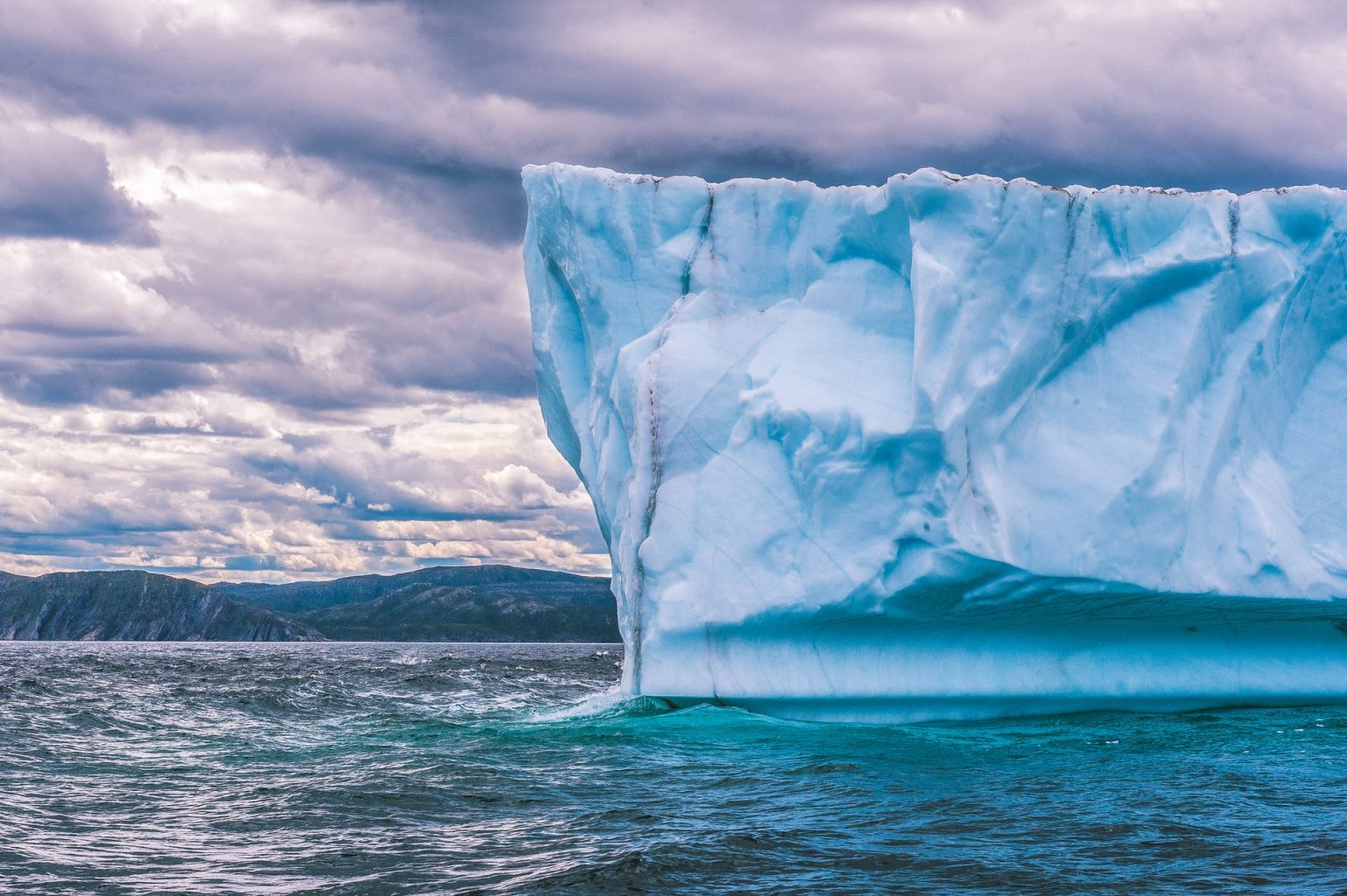
Glaciers and poles are melting.  Hurricanes line up across the Atlantic to wreak havoc.  Refugees are migrating.  Species are going extinct.  What can we do?  Why don’t we do more?

I seek to apply Processwork skills and insights to the challenge of motivating people to take environmental action.

In particular, Processwork suggests we have arrived at an edge when we feel stuck.  Something is going on, but we have trouble deciding what to do about it.  The situation may be as seemingly unimportant as choosing a meaningful present for a child, or as threatening as the loss of your home.  When we reflectively “hold ourselves to the edge”, we draw upon inner resources to find effective and creative ways forward.

Thus, both planned and unplanned events can be catalysts for environmental action.

Planned events

All sorts of stressful decisions need to be made when we plan a special event.  This often brings us to an edge, a sense of disquiet.  Welcome this opportunity to serve a greater good.

Do you yearn for a vacation?  Ecotourism provides a stream of money to people who might otherwise be driven to extraction as a livelihood.  This is how we turned around the decimation of sea turtles in the Caribbean.  Even going to a zoo or an aquarium helps the species preservation programs it sponsors.

Moving is an excellent catalyst to change habitually consumptive practices.  When my friend Brian came to Portland to go to school, he not only traded his car for a bicycle, he started work for Beneficial State Bank, a non-profit corporation committed to ‘investing in people, planet and prosperity.’  When Peter Kalmus took a job to study clouds at Jet Propulsion Laboratories, he and his family gave up airline flying and its impact on Global Warming.  Then he wrote a book and made a movie about the experience!

Subscribe to Our Newsletter

Inter pouere erat a ante veatis dapi posre velit aliquet sites.

I did not know what to give my granddaughter for her tenth birthday.  She lives a long way from me.  What could she relate to?  Can you feel the edge?  How about something that reflects my environmental values?  How about a book about Gretta Thunberg?  She had a challenge (Asperger’s syndrome) that she turned into a “superpower”.  Yes!

Annual events can gently hold us to our environmentally sensitive edges if we pay attention.  How will I raise environmental consciousness on Earth Day which is acknowledged around April 20th each year?  What picnic, cooperative games or conference shall we plan for Interdependence Day – variously celebrated on July 4th or September 12th?  Maybe I’ll join a beach clean-up which is organized by the Ocean Conservancy and its partners one day every September.

The Global Footprint Network calculates and hosts Earth Overshoot Day when we as a species exceed the capacity for the earth to renew itself in a given year.  This year, 2021, that date was July 29th.  After that day we as a species are taking (not borrowing) resources from future generations.  An edgy thought, which nags us to find ways to curtail consumption.

Unwelcome Disruptions

When “business as usual” is disrupted, we may not know how to respond.  That brings us to an edge.  The Processwork practice of relaxing into an altered state, even for a short while, helps us remember our values.  The door to make a positive environmental change may already be open.

I was driving in the Mojave Desert of California when our van broke down.  After a long tow, both auto shops in Blyth said it was not worth fixing.  I rode the bus home.  My wife and I loved that vehicle, and its demise served as a cue to live without a car – for thirteen years.

When a loved one dies, plant a tree in the loved one’s honor.  Or invite mourners to donate to an environmental cause that will foster a lasting legacy with the aligned energy of thousands of other supporters.  While you are at it, arrange a bequest for a park or other worthy cause in your will.

Conclusion

The list of planned and unplanned disrupters goes on – an unexpected message, an inheritance, loss of a job, even a health crisis.  These are invitations to change reality, personally and globally.  When we appreciate that the edges these situations create are useful, we find hope.  We take action.  We become a force of nature.

The world needs us to cross a few edges.

By Jon Biemer

Jon Biemer earned a Certificate in Process-oriented Psychology in 2014.  He is the author of Our Environmental Handprints: Recover the Land, Reverse Global Warming, Reclaim the Future, published by Roman & Littlefield.  It offers 178 Handprint opportunities to create a more sustainable world.  For details check out Jon’s website at www.JonBiemer.com or contact him at jonbiemer@gmail.com.


Related Posts

More Topics You May Enjoy

Continue exploring with articles connected to your interests