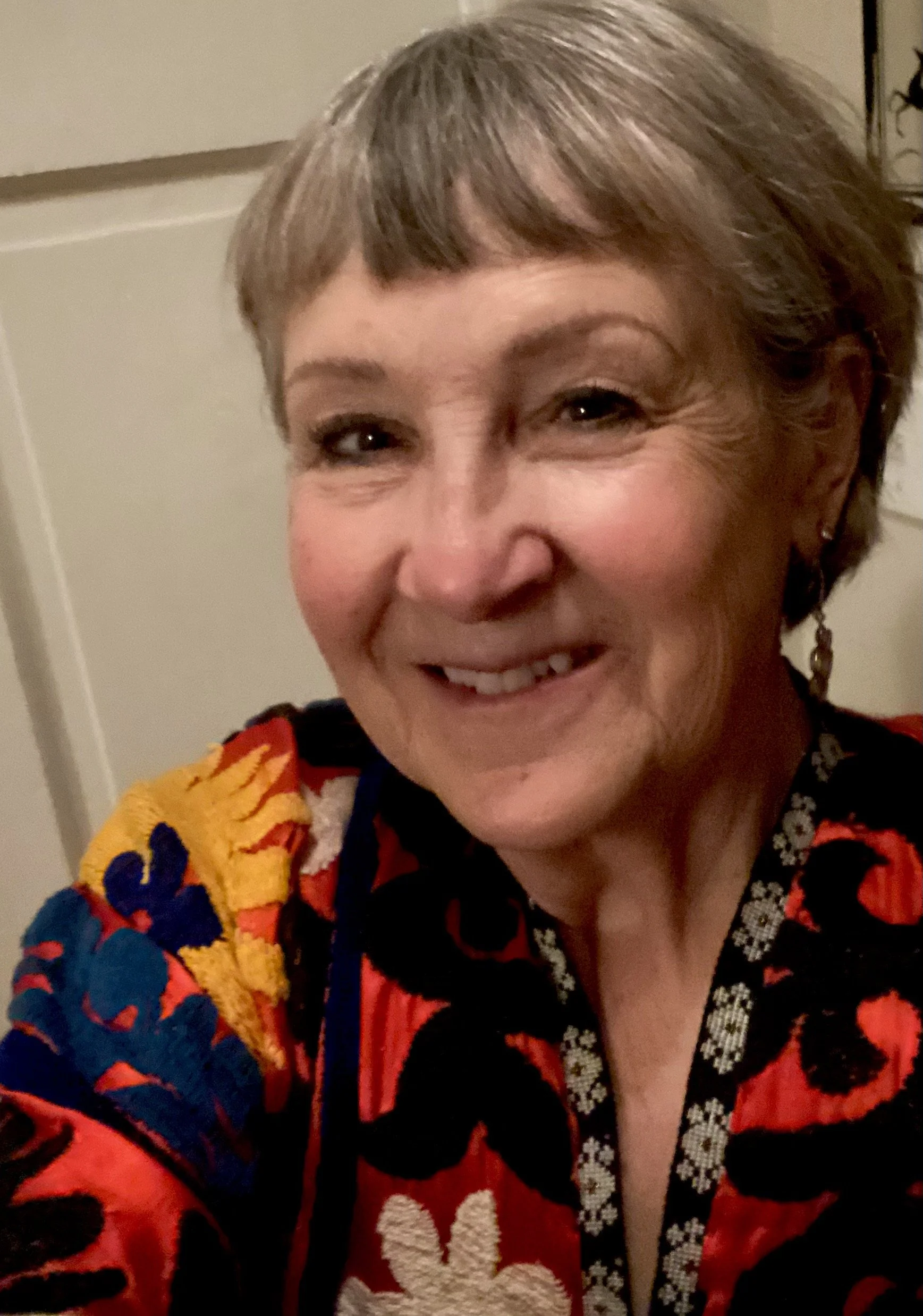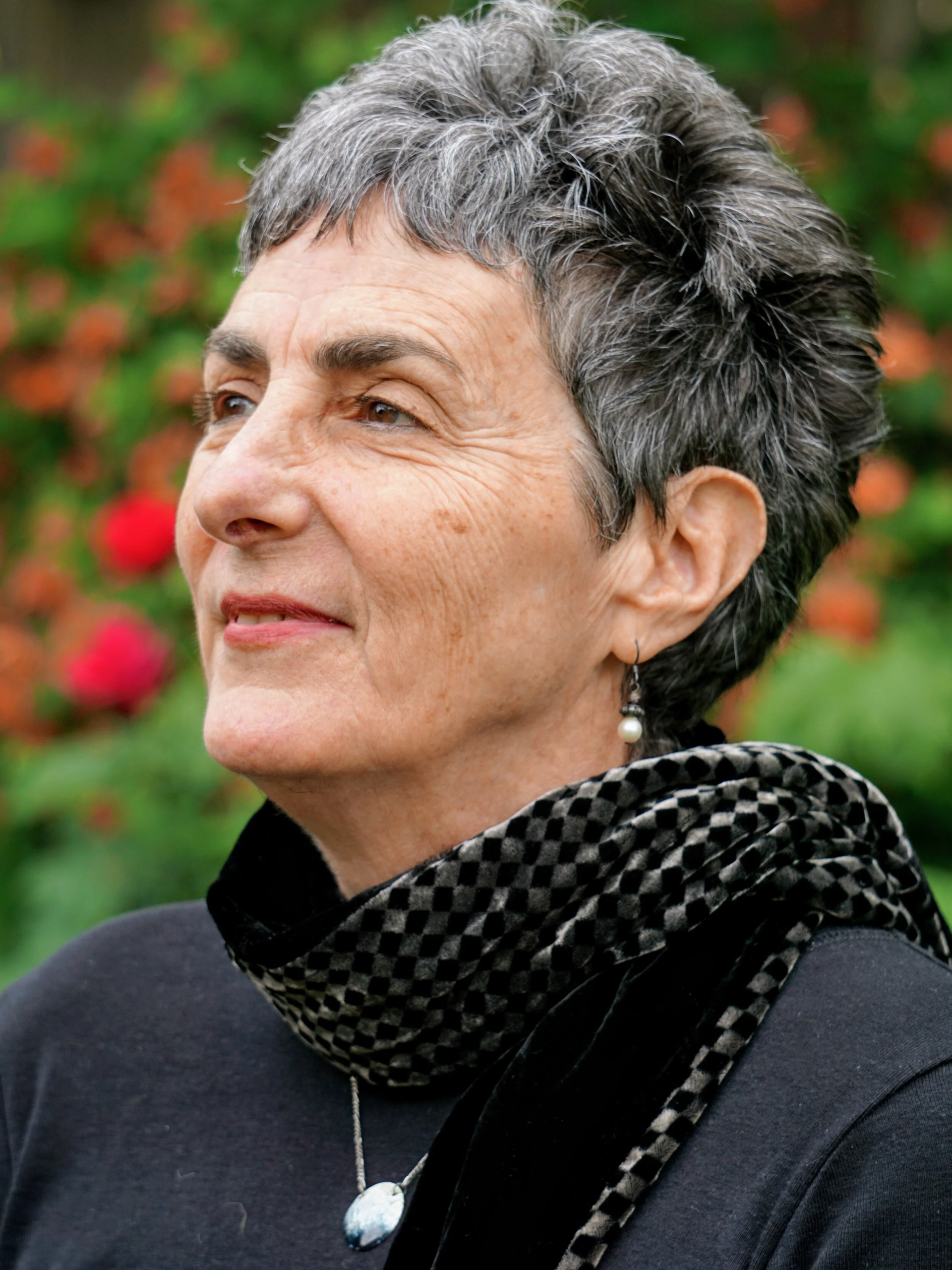
PWI Faculty Spotlight: Dawn Menken
PWI Faculty Spotlight: Dawn Menken The dream that started it Dawn Menken’s first dream was of a man who climbed up out of
One of Process Work’s most practical and clarifying contributions to conflict facilitation is its framework for understanding rank. Process Work uses the language of rank to describe dynamics of power, priviledge and oppression because rank illuminates the relational nature of power. One person or group will have higher or lower rank relative to another.
Knowing about rank is essential for a facilitator because rank is always present. A facilitator who can’t see rank tends to unconsciously reinforce the power dynamics already in the room, often while believing they’re being neutral. A facilitator who can see rank can name what’s happening, support the voices that are getting marginalized, notice when their own rank is affecting the field, and use whatever rank they carry on behalf of the whole group. Rank awareness doesn’t make conflict go away. It makes it possible to work with conflict more productively.
This is what we normally associate with conversation of power, priviledge and oppression. Social rank includes demographics such as:
Contextual rank is specific to a certain situation. Due to the current circumstance, one person or group will have more or less rank relative to the other, which might not be the same outside of this particular context. Some examples include:
This kind of rank encompasses a few different areas. It points to your internal self-esteem, resilience and ability to navigate your psychological reality and reactions. It also can be expressed in your familiarity with psychological language, how familiar or capable you are at putting your inner experience into words that can be communicated. It also relates to your mental health history, whether you have received diagnoses or been put in a position to question your experience of reality.
Some experiences of high psychological rank may include:
Some experience of low psychological rank may include:
Interestingly, psychological rank sometimes has an inverse relationship with social and contextual rank. Forexample, going through difficult experience of marginalization may lead a person to develop high psychological rank through overcoming obstacles that challenged them to grow and learn about themselves. Whereas a person with higher social rank, born into priviledge, may not have had the opportunities to develop the same psychological grit.
Similarly, a boss or a teacher who is worried about being attacked and doing a good job may feel more stress and have lower psychological rank than their students or employees who get to kick back and relax.
Moral Rank occurs when someone is or believes they are on the right side of history. They feel righteous and this gives them a certain kind of power. You can feel the moral rank in the speeches of Martin Luther King that bring goosebumps to your skin and make you feel connected to a larger movement. However, as with a lot of rank, it can be felt by any one on any side of an issue. In this case, it may also have been high moral rank that gave colonizers the feeling that their actions were morally justified.
Spiritual rank comes when we feel connected to something greater than ourselves. This is a belief or an attitude that anchors you into a different orientation than the every day. It is a special, subtle kind of rank that can give you detachment from the immediate circumstances occurring. It also can make other rank experiences not be felt so acutely, either high or low.
Some high-spiritual rank experiences may look like:
Some low-spiritual rank experiences may look like:
The more rank you have in an area, the less you are aware of rank dynamics. This is how able bodies people don’t spend much time thinking about what it is like for people with less abled bodies to move through the world and don’t notice how easy it is for them to do things like climb the stairs or walk to work.
We are more aware of where we have low rank than where we have high rank. You may have be born a straight, white, male with a stable, loving family, but you are most aware of how you grew up poor relative to the people you went to school with.
Rather than arriving with an agenda, a technique to apply, an outcome to achieve, the process-oriented practitioner learns to wait, watch, and follow what is actually moving. Not their idea of where the process should go, but the process itself. Arnold Mindell was honest about how hard this is: “Go with the flow is a great idea… but people have trouble doing that because a lot of the flow is unconscious or goes against what we consciously want to do.”
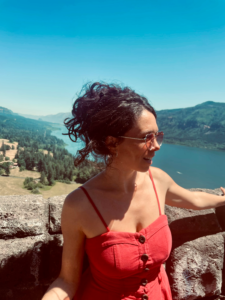
Maraya Karena is a Process Work Diplomate, Counselor and Consciousness Researcher based in Portland, Oregon.
“My passion is to study consciousness itself. To develop tools and models that support us to navigate everyday life. To make the reality we share more reflective of who and what we truly are. To find the pulsing, living heart of this life journey. And to engage with it fully and completely. I explore poetry, dance, embodiment, sex, social issues, futurism, philosophy, mysticism, joy and agony all to learn a little bit more about what is really going on and how we can most authentically express ourselves.”
Continue exploring with articles connected to your interests

PWI Faculty Spotlight: Dawn Menken The dream that started it Dawn Menken’s first dream was of a man who climbed up out of


PWI Diplomate Spotlight: Hélène Ramos When Hélène Ramos was five she had a near-death experience. Then, at thirteen or fourteen, she had her
PWI Diplomate Spotlight: Cathy Bernatt August 9, 2015. Cathy Bernatt is leaving Portland at 6pm. Three-week wilderness solo ahead. Divorce just final. Third