Organizations and Worldwork

Processwork and the World

Can we help our world transform the legacy of its painful history and politics?

How can we facilitate the difficulties and conflicts in our organizations, businesses, teams, and our local and global communities?

Group Work as Worldwork

Processwork takes its frameworks beyond the individual and into the life of teams, organizations, communities and the world at large. Practitioners around the world apply this work in companies, nonprofits, leadership development, and large public forums on issues like race, climate and political division. Out of decades of practice has come a deep set of tools to facilitate genuine encounters across difference. If you’re drawn to working with collective systems, whether you’re a leader, a consultant, an organizer or someone trying to make change in the spaces you’re already part of, worldwork is where Processwork’s organizational and political contributions live.

“The larger goal of deep democracy is not about me changing you and you changing me. But we learning how to relate.”


Arnold Mindell

The foundational philosophy

Deep Democracy

The orientation that distinguishes Processwork facilitation is grounded in deep democracy. Deep Democracy is the conviction that every voice in a system matters, including the disturbing ones, and that the health of any group depends on its willingness to hear these voices.

Deep democracy isn’t only about who gets to speak. It’s about getting to the heart of what is being said, creating space for feelings, communication styles and experiences that often get marginalised, trusting that each has a wisdom and intelligence needed for the health and wellbeing of the whole.

In most groups, the rational and the polite are welcome, while the angry, the grieving, the visionary, and the strange get pushed to the margins. Processwork brings these excluded voices and experiences back into the room.

How Processwork Works

When it comes to conflict, we don’t try to manage it away or smooth over what’s hard.

  • We follow it, trusting that the friction in a group is information about what wants to happen.
  • We pay close attention to rank, the social, contextual, psychological and spiritual power people carry into any room.
  • We name it when it’s affecting the dynamics. We notice the ghost roles, the figures and forces shaping the group from outside its named membership.
  • We work with high and low dreams, the aspirations and fears running underneath the practical conversation.
  • We stay aware that the facilitator is part of the field, never neutral, always either helping the system find its own intelligence or unconsciously reinforcing the patterns that already organize it.

A Story on World Work

In 1992, in the days leading up to the Rodney King trial, the public atmosphere in Oakland, California was highly charged. The video of Mr. King being beaten by police had been broadcast around the world and many predominantly Black communities across the United States were holding decades of frustration and grief that had nowhere to go.

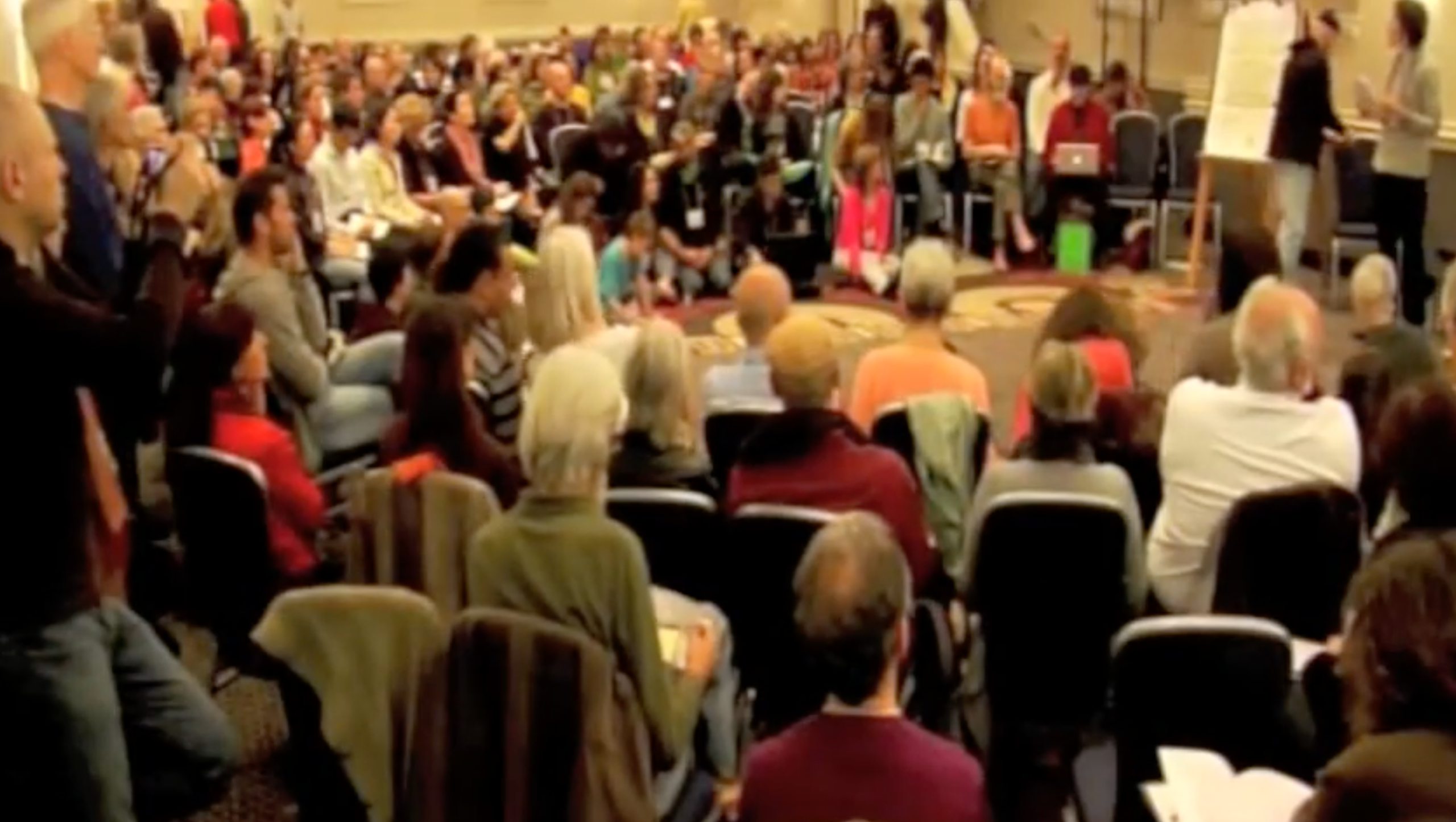
Wilma Jean Tucker, a community elder in Oakland, invited Amy and Arnold Mindell to facilitate an open forum on race in her city, just days before the trial verdict was expected. What happened in that forum was characteristic of how Processwork engages with charged community process. The Mindells didn't try to keep the conversation calm or polite. They didn't try to find quick agreement or push toward resolution. Instead, they helped create a container in which the actual feelings of the room, the rage, the hurt, the heartbreak, the longing for something to actually change, could be expressed, heard, and held.

Both the most difficult feelings and the deepest care that lived underneath them found a way into the room. People spoke things that hadn't been speakable before. Hearts were touched and changed. Both sides of charged dynamics were given space and a bit of understanding was able to be bridged via relating to the other.

Obviously the forum didn't solve racism or address the full depth of the underlying issues. But it did create more fertile soil from which conversations could begin to take place. It offered a glimpse of what becomes possible when a community gathers with skilled facilitation, deep democratic intention and the willingness to sit in the fire of its own truth without fleeing or attacking.

Forums like this one have happened many times since, in cities across the world, on issues ranging from gender to ethnic conflict to climate to the future of organizations. Each one has tested and developed the work in new ways. Each one has shown that even the hardest collective situations contain wisdom, and the seeds for moving forward with more awareness together.

“Deep democracy simply adds a deeper dimension to ordinary Democracy! What dimension? The relationship, feeling or dreaming dimension of our passions, creativity and experience. Without this dimension, our world runs on power, not relationship or community.”

Arnold Mindell

Videos About Organizational and Worldwork

Arnold and Amy Mindell

From the International Association of Processwork

With Arnold Mindell

With Arnold Mindell

Written and animated by Amy Mindell

To understand yourself you need to explore your inner experiences. Likewise, if multi-leveled organizations want to know themselves, they need to explore open forums to understand their various parts.
~Arnold Mindell

Curious?

Books on Organizations and Worldwork

Learn the approach and the skills to bridge the personal, the social and the political using process-oriented facilitation.

SITTING IN THE FIRE


Practical methods for working with large-scale conflicts
by Arnold Mindell

THE DEEP DEMOCRACY OF OPEN FORUMS


Conflict resolution by utilizing "deep democracy"
by Arnold Mindell

THE LEADER AS MARTIAL ARTIST


Facilitation by by applying martial arts principles like awareness, flexibility, and balance to group dynamics
by Arnold Mindell

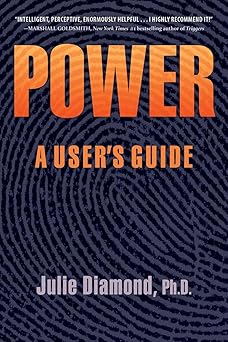
Power: A User’s Guide

by Julie Diamond

A framework for understanding and ethically using power in all aspects of life, from personal relationships to leadership roles. It teaches readers to develop self-awareness, build authentic leadership skills, and use power for positive change.

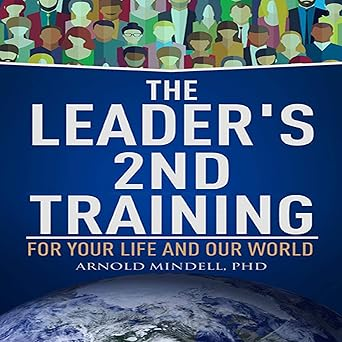
The Leader's Second Training

by Arnold Mindell

A comprehensive guide to leadership development that combines psychology, physics, and social awareness to manage conflicts and improve organizational flow, focusing on inner work, bodywork, and relationship skills.
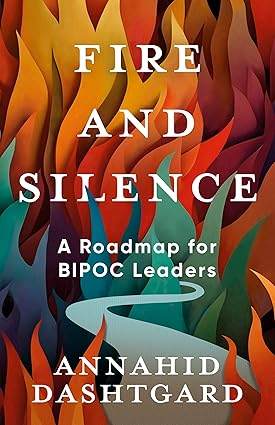
Fire and Silence: A Roadmap for BIPOC Leaders

by Annahid Dashtgard

From the trenches of social activism to coaching boardroom executives, Annahid Dashtgard offers proven strategies and real-world stories alongside practical tips and tools to support growing numbers of BIPOC leaders.

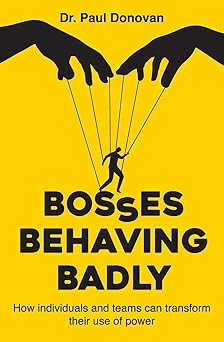
Bosses Behaving Badly

by Julie Diamond and Lee Spark Jones

A therapeutic approach that helps people find meaning in difficulties by focusing on the unfolding of experience, dreams, and everyday signals

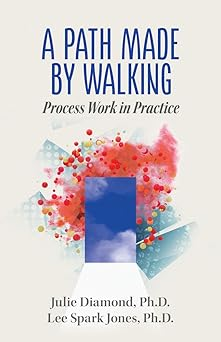
A Path Made By Walking

by Julie Diamond and Lee Spark Jones

A therapeutic approach that helps people find meaning in difficulties by focusing on the unfolding of experience, dreams, and everyday signals

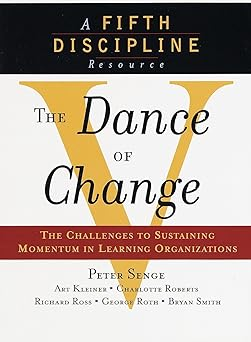
THE DANCE OF CHANGE

by Peter Senge

Focusing on the challenges of sustaining long-term organizational change and learning

Ready to go deeper?

Explore our courses and online community

We offer workshops, classes, and longer training programs throughout the year, in person and online. Whether you’re new to this work or looking to deepen your practice, there’s likely something in the upcoming calendar for you.

Ready to go deeper?

More Applications of Processwork

Processwork offers a range of tools and techniques for working with this inner and outer process. It is a flexible modality with frameworks for understanding what is actually going on and tools for how to facilitate it. 

Processwork is applied in a wide diversity of areas including innerwork, relationships, dreams and body symptoms, organizations and group work, conflict studies and states of consciousness.