Including states that other approaches rarely engage with or treat only as something to be medicated away. Altered states, extreme states, deep meditative experiences, flow states, comatose and near-death states. Processwork sees all of these as meaningful, and applies the same frameworks of signals, channels, and process structure to work with them as it does with any other experience.
Out of decades of practice has come a body of skills for entering these states with awareness, communicating across them, and following what’s emerging, or trying to emerge .
If you’re drawn to this work, whether through your own life, the people you care about or your professional practice, states of consciousness is one of the areas where Processwork has gone furthest and continues to evolve.
Challenging states of consciousness
The Processwork Approach
From a Processwork lens, what looks like absence or breakdown from the outside is often meaningful experience from the inside. Contact across the gap is possible when you know how to listen.
The practitioner brings warmth, patience, and a quality of presence that can sit with what’s happening without trying to push it away. This is delicate work and it asks a lot of the person doing it. Most of the training is about cultivating the inner capacities that make the contact possible.
Core skills include:
Tracking minimal cues: Whatever signals are still available in a given state become the channels of communication when ordinary conversation isn’t possible. Breath, micromovements, sounds, eye flutters, changes in muscle tone, shifts in the atmosphere of a room.
Working with the metacommunicator: Helping the part of a person that can reflect on what’s happening to them strengthen and come back online.
Honoring the content of altered and extreme states: Treating what someone is experiencing as carrying real meaning, including the meaning that’s hard for others to understand.
Practicing deep democracy of states: All of human awareness deserves a place.
These are processes, not static entities. They are called “states” because people tend to get stuck in them. When viewed as processes, it can be observed that a person in a very extreme state of consciousness shows vestiges of a more normal state, while even the most normal-seeming person has little bits of more extreme states in their flow of experience and behavior.
States of Consciousness
Processwork sees the whole spectrum of human experience as meaningful, and has developed methods for being in genuine contact with people wherever they are on this spectrum. For example:
Dreams
Trance
Psychosis
Mania
Extreme depression
Coma
Entering a different identity
Hearing voices
Spiritual states
Flow states
Near death
Practitioners in this area
Many practitioners who work in varied fields of application have found process-oriented techniques useful. They can be integrated alongside other tools and approaches. For example:
Psychiatric crises
Exploring altered states through meditation or substances
“Global awareness means appreciating and working with the altered states that groups, like individuals, need for life. This is, after all, why we create rituals, dances, plays and musical festivals.”
Arnold Mindell
Videos About The Processwork and States of Consciousness
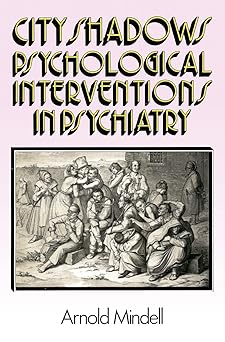
Analyzes fourteen cases including schizophrenia, depression and suicidality—arguing that these states are "city shadows," or repressed, meaningful experiences, rather than just illnesses. by Arnold Mindell
explores mental illness from the perspective of those who have experienced it, featuring interviews with over 60 individuals, including patients, activists, and professionals, to challenge conventional psychiatric narratives. By Will Hall
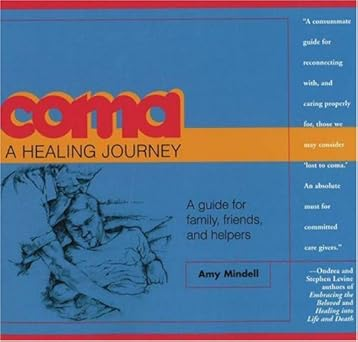
New ethics, new skills and metaskills in working with and supporting people in comas. Step-by-step exercises teach how to get in contact with comatose people. by Amy Mindell
Techniques and tools for communicating with those in out-of-ordinary states of consciousness such as those found in dementia, coma or the dying experience by Ingrid Rose and Kay Ryan
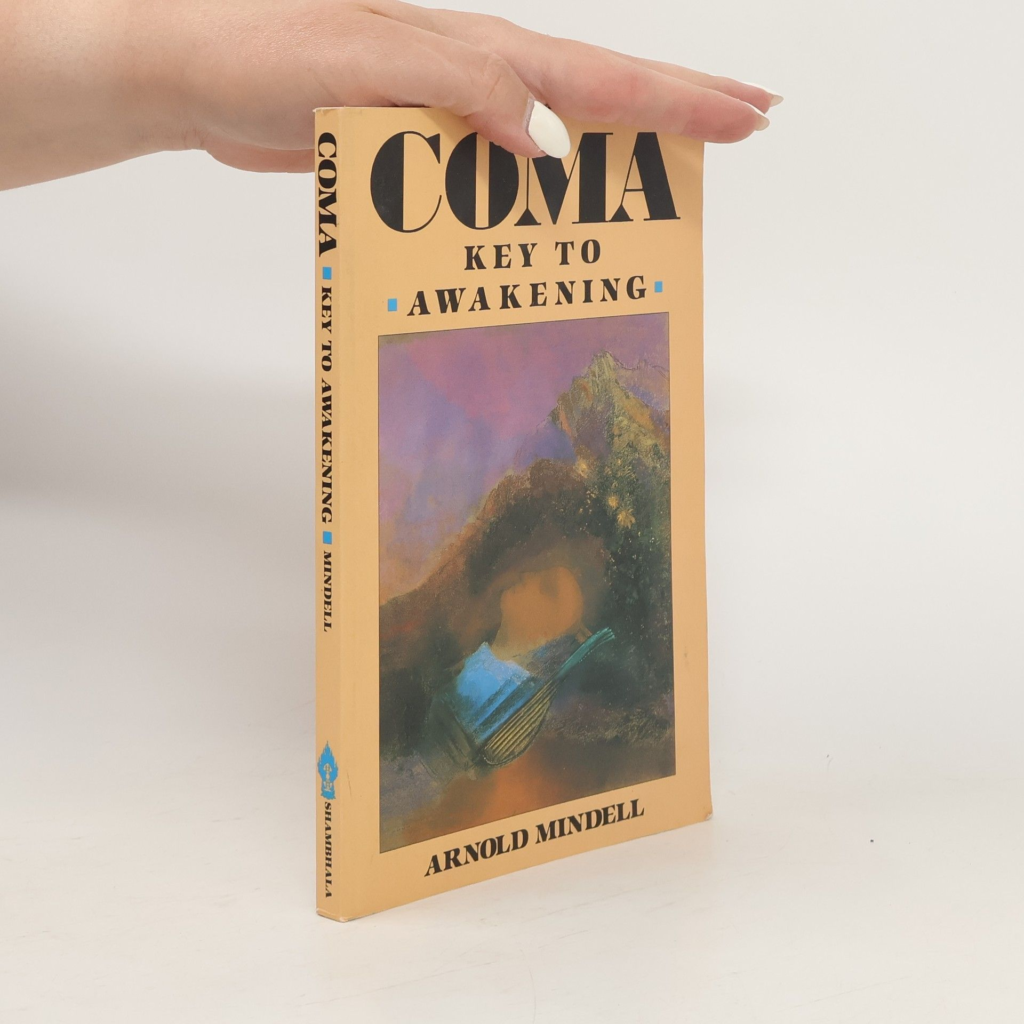
Offering verbatim bedside reports, theoretical discussion and practical exercises, the author demonstrates his techniques for communicating with the comatose person. by Arnold Mindell/small>
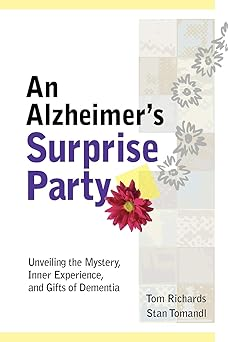
Investigates the widely held belief that dementia is only a "mindless pathology". Instead, the authors discover an essential, soulful, spiritual process that can be facilitated. by Stan Tomandl and Tom Richards
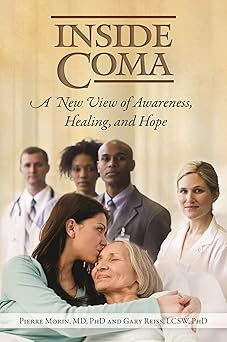
Practical, body-centered ways of communicating with coma patients, showing family members and caregivers how to enter the patient’s inner world of experience to engage their will and power to heal. by Gary Reiss and Pierre Morin
Ready to go deeper?
Explore our courses and online community
We offer workshops, classes, and longer training programs throughout the year, in person and online. Whether you’re new to this work or looking to deepen your practice, there’s likely something in the upcoming calendar for you.
Processwork offers a range of tools and techniques for working with this inner and outer process. It is a flexible modality with frameworks for understanding what is actually going on and tools for how to facilitate it.